Same Pill, Wildly Different Price Tag: How Your ZIP Code Determines What You Pay at the Pharmacy
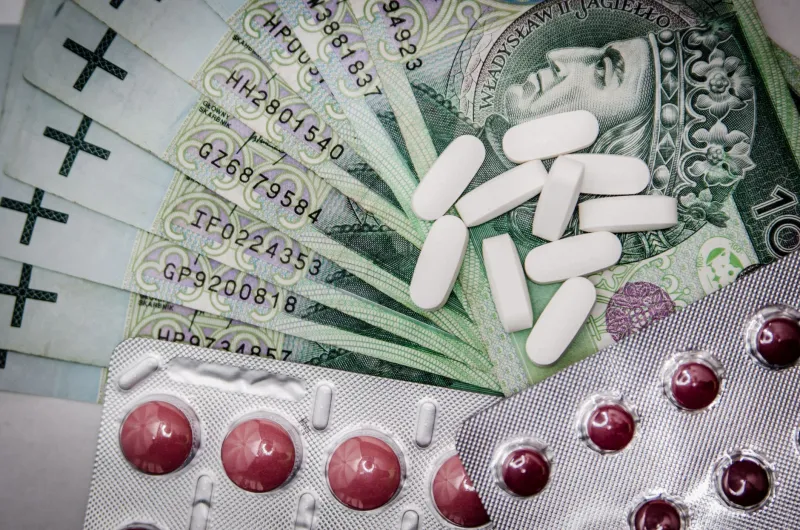
Imagine picking up a 30-day supply of a common blood pressure medication at one pharmacy and paying $18. Then imagine your neighbor—three blocks away, same insurance plan, same prescription—handing over $54 at a different chain. Same drug. Same dosage. Same month. Nearly triple the cost.
This is not a hypothetical. It happens every day in cities across the United States, and the patients absorbing those inflated prices rarely understand why—or that they even have a choice.
The Pricing System Nobody Fully Controls
Pharmacy drug pricing in the United States operates through a layered, largely opaque system that involves manufacturers, wholesalers, pharmacy benefit managers (PBMs), insurance carriers, and individual pharmacy operators—each negotiating independently and often confidentially.
At the center of this complexity sits the concept of the "negotiated rate." When your insurance plan processes a prescription, the amount you pay is typically determined not by the drug's actual cost, but by the contract your insurer's PBM has negotiated with your specific pharmacy. Those contracts vary—sometimes dramatically—from one pharmacy chain to another, and even between individual locations within the same chain.
Pharmacists who work within this system describe it as navigating a pricing grid they cannot fully see. "We know what we're reimbursed," one independent pharmacist in the Midwest explained during a background interview. "We don't always know what the patient is being charged until it hits the register. The PBM sets that number, and it changes constantly."
That lack of transparency is not accidental. PBM contracts routinely include confidentiality clauses that prevent pharmacies from disclosing reimbursement rates. The result is a market where prices are simultaneously everywhere and nowhere—visible to no single party with a complete picture.
Why Location Changes Everything
Geographic variation in drug pricing stems from several overlapping factors that compound one another.
Local market competition plays a significant role. In urban areas with multiple pharmacies within walking distance, chains may negotiate more aggressively with PBMs to secure preferred network status—which can translate to lower patient costs. In rural or suburban areas with limited pharmacy options, that competitive pressure largely disappears. Patients in those markets often have fewer alternatives and, consequently, less pricing leverage.
Preferred pharmacy network tiers add another layer. Many insurance plans designate certain pharmacies as "preferred," offering lower copays to patients who fill prescriptions there. A pharmacy that is in-network but not preferred may cost a patient two to three times as much for the same medication. These distinctions are buried in plan documents that most enrollees never read.
Pharmacy business model also matters more than most consumers realize. Large chain pharmacies, independent pharmacies, grocery store pharmacies, and big-box retailers like Costco or Walmart each operate under different cost structures and negotiate with PBMs on different terms. Warehouse-style retailers, in particular, often offer dramatically lower cash prices on generic medications than traditional pharmacy chains—sometimes lower than what insured patients pay after their copay.
The Cash Price Paradox
One of the more counterintuitive findings in pharmacy pricing research is that paying cash—without using insurance at all—can sometimes be the cheapest option available. This occurs when a pharmacy's contracted insurance reimbursement rate exceeds its retail cash price, which happens more frequently than the industry would like to acknowledge.
Discount platforms and prescription savings programs have made this dynamic more visible. Tools that aggregate cash prices across local pharmacies have revealed price differences of 200% to 400% for common generics within a single metropolitan area. A statin that costs $9 at one pharmacy may run $38 at another location just miles away, with no meaningful difference in the product itself.
For patients on fixed incomes or those in high-deductible health plans who pay full cost until meeting their deductible, these discrepancies are not academic. They represent real financial strain on a monthly basis.
How to Compare Prices Before You Fill
The most effective defense against arbitrary pharmacy pricing is proactive comparison—done before you hand over your prescription, not after you've already paid.
PharmZip is built specifically for this purpose: allowing consumers to search, compare, and evaluate medication prices across local pharmacies and mail-order options in real time. But regardless of which tool you use, the methodology is the same.
Step one: Know your medication details. Have the drug name, dosage, form, and quantity ready. Generic and brand-name prices can differ enormously, so confirm with your physician whether a generic is appropriate for your situation.
Step two: Search both your insured price and cash price. Run your prescription through a comparison tool using your insurance information, then run it again as a cash-pay customer. Note the difference. In some cases, the cash price—especially with a discount card—will be lower than your copay.
Step three: Check preferred pharmacy status. Log into your insurance plan's website or call member services to confirm which pharmacies are "preferred" under your specific plan. Filling at a preferred location can reduce your out-of-pocket cost by a significant margin.
Step four: Include non-traditional options. Warehouse clubs, grocery chains, and independent pharmacies are frequently overlooked in pharmacy shopping. Some of the lowest prices in any given market are found at locations patients don't typically associate with prescription services.
Step five: Ask about 90-day supplies. For maintenance medications taken long-term, a 90-day supply often costs proportionally less than three separate 30-day fills. This varies by plan and pharmacy, but it is worth asking explicitly.
What Pharmacists Want You to Know
Pharmacists are, in many respects, as frustrated by the pricing system as their patients. Most entered the profession to deliver clinical care, not to manage the downstream consequences of opaque contract negotiations they had no part in.
Several pharmacists interviewed for this article expressed a consistent message: patients should ask questions, and they should ask them before the transaction is complete. Specifically, pharmacists recommend asking whether a lower-cost alternative is available, whether a cash price is lower than the insurance price, and whether the same medication is available in a different quantity or formulation at a reduced cost.
"People assume we can't do anything about the price," one retail pharmacist in the Southeast noted. "Sometimes that's true. But sometimes there's a cash coupon sitting right there that would save someone $40, and nobody asks."
The information asymmetry in pharmacy pricing is real, but it is not absolute. Patients who approach the counter with specific questions and a willingness to compare across locations consistently pay less than those who do not.
The Broader Implication
The wide price variation that exists for identical medications across pharmacies in the same city is not a quirk or an anomaly. It is a structural feature of how the US drug distribution system was built—one that rewards pharmacies and PBMs for opacity and places the burden of price discovery squarely on the patient.
Until systemic reforms create greater transparency and standardization in pharmacy pricing, the most reliable strategy available to consumers is comparison. Know your options before you fill. Use tools designed to surface price differences. Ask the questions that the system is not designed to make easy.
The pharmacies are not going to volunteer this information. But it is available—if you know where to look.